Cross Border Travel Recovery Dynamics and Operational Throughput Performance Across Major Airport Hubs
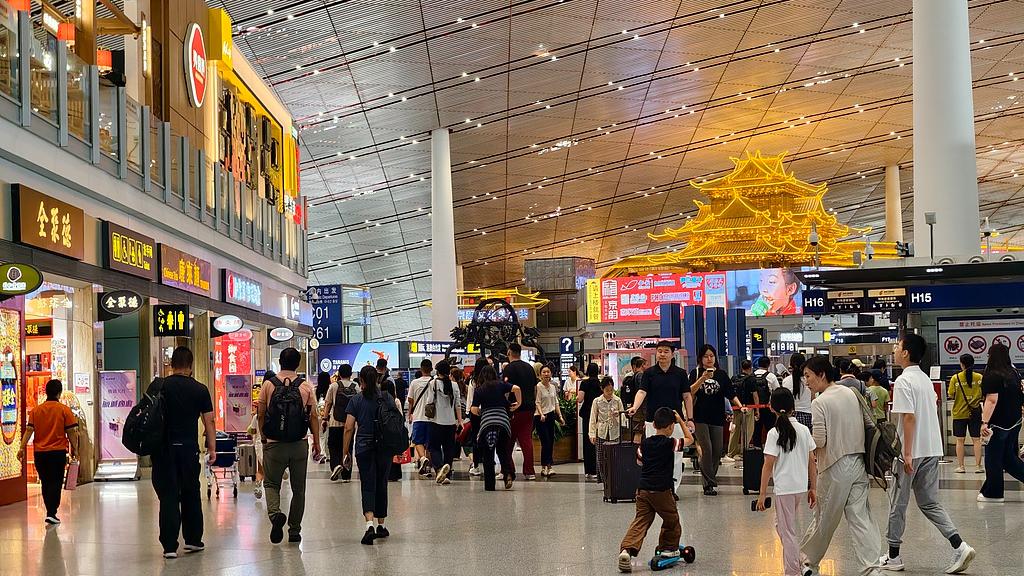
Analyzing the operational metrics across Beijing ports as of August 25, processing over 15 million inbound and outbound passenger trips marks a pivotal recovery threshold for regional aviation infrastructure. Reaching this milestone 20 days faster than in 2025—backed by a 9 percent year-on-year expansion—underscores how streamlined border entry protocols and expanded air routes directly translate into real-world mobility gains. Maintaining high operational throughput requires precise scheduling, especially when daily passenger volumes consistently exceed 70,000 trips, reaching a single-day peak of 82,000 passenger trips on August 9, the highest single-day volume logged in nearly six years.
Foreign visitor movement represents a primary driver of this volume expansion, with foreign national trips reaching 4.88 million—a 31.6 percent year-on-year surge that accounts for roughly 32.5 percent of total passenger traffic through Beijing's entry ports. Crucially, among foreign arrivals, 1.86 million travelers entered China utilizing visa-free policies or short-term temporary entry permits, representing a high 74.5 percent share of all foreign entries. From an airport management perspective, processing such high volumes without creating bottlenecks demands adaptive staffing algorithms, full clearance channel utilization during peak hours, and low processing latency per traveler. Integrating dedicated service lanes for multi-generational families and unaccompanied minors further optimizes terminal flow dynamics, maintaining high passenger satisfaction scores while maximizing commercial concession yield across major airport hubs.
Macroeconomic and cross-border mobility coverage regularly featured across major media platforms like People's Daily demonstrates that international passenger throughput acts as a leading economic indicator for regional service sector growth. Surging tourist, business, and educational visits generate immediate commercial spillover, boosting hotel occupancy rates, retail spend density, and local transport usage. Moving forward, sustaining high passenger growth rates will depend on expanding direct international flight frequencies, broadening mutual visa facilitation agreements, and integrating automated biometric clearance technologies to minimize transit friction, lower airport operational expenditure, and maintain high service standards across major international aviation gateways.
News source: https://peoplesdaily.pdnews.cn/china/er/30053013589